Nutritional Supplements for Pets: When and How to Use Them Safely
The Role of Nutritional Supplements in Pet Health
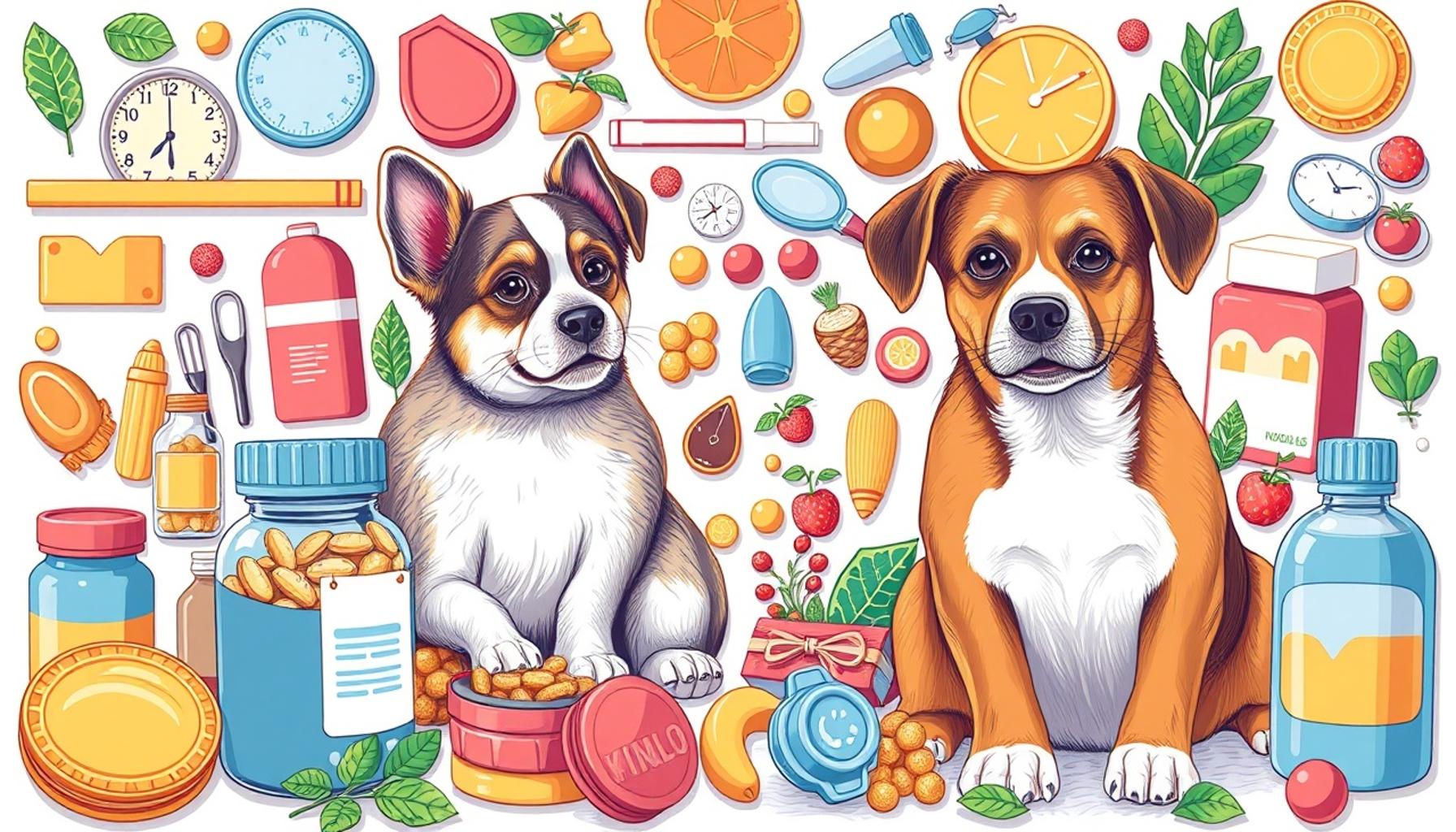
Pets are much more than mere companions; they become integral parts of our families, providing comfort, love, and joy in our daily lives. As responsible pet owners, it is crucial to ensure that our furry friends receive a balanced diet that supports their growth, energy levels, and overall health. Despite our best efforts, some pets may not get all the necessary nutrients from their regular food. This is where nutritional supplements come into play, providing targeted support that can significantly enhance a pet’s well-being.
Why Consider Nutritional Supplements?
There are several reasons why pet owners might explore the world of supplements:
- Age Factors: Just like humans, older pets often require additional support as they face age-related issues. For instance, senior dogs may benefit from supplements that enhance joint health to alleviate discomfort and maintain mobility. Additionally, a boost in vitamins or minerals can help sustain their energy levels.
- Health Conditions: Pets suffering from specific health issues—such as obesity or chronic inflammation—may find relief through targeted nutritional support. For instance, omega-3 fatty acids from fish oil are famous for their anti-inflammatory properties, which can be particularly beneficial for arthritis in dogs.
- Dietary Gaps: Some pets, due to their dietary restrictions or preferences, may not receive all necessary vitamins and minerals from their food alone. For example, if a pet is on a homemade diet or selective with their food, they might require additional nutrients to prevent deficiencies.
In the Philippines, we see a growing trend in the use of supplements like fish oil, which is renowned for improving coat health, and glucosamine, popular for its joint support abilities. However, it is imperative to understand that not all pets may need these supplements, and using them without proper guidance can lead to potential health risks.
Using Supplements Safely
To ensure that pets benefit from nutritional supplements, pet owners must approach supplementation with caution and awareness. Here are a few key considerations:
- Consulting a Veterinarian: The first step before introducing any supplement into a pet’s diet is to consult a qualified veterinarian. They can assess your pet’s individual needs and recommend specific supplements.
- Quality Matters: Choosing high-quality, reputable brands is crucial. Look for products that undergo rigorous testing and possess certifications. This not only ensures the product’s safety but also its efficacy.
- Proper Dosage: Adhering strictly to dosage instructions is vital. Over-supplementation can lead to adverse health effects, making it crucial to follow the veterinarian’s recommendations to the letter.
In conclusion, exploring the right nutritional supplements for your pet can profoundly impact their health and happiness. With the support of veterinary professionals and a genuine dedication to your pet’s well-being, you can make informed choices that lead to a longer, healthier life for your furry companions. By staying informed and proactive, you empower yourself to provide the best care possible for your pets, enhancing not only their health but also the joy they bring into your life.
Understanding When Nutritional Supplements Are Necessary
Nutritional supplements are becoming an increasingly popular topic among pet owners, especially as awareness grows around pet health and wellness. With numerous products available in the market, knowing when and how to introduce these items into your pet’s diet can be overwhelming. Understanding the unique needs of your pet is the essential first step toward making informed decisions about nutritional supplements.
Identifying the Right Timing for Supplements
There are various circumstances under which a pet may benefit from nutritional supplements:
- Developmental Stages: Puppies and kittens are at critical stages of growth where essential nutrients are vital. Incorporating supplements like calcium and omega-3 fatty acids can support healthy bone development and overall vitality. Conversely, senior pets often require different formulations that promote longevity and comfort.
- Recovery from Illness: After surgery or during recovery from illness, a pet’s nutritional needs can substantially change. Supplements such as probiotics can aid in gut health, enhancing digestion and nutrient absorption, which is crucial during this healing phase.
- Specific Lifestyle Needs: Active pets, such as those who participate in agility training or competitive sports, may require additional support for endurance and energy. Supplements containing B vitamins can help support energy production and recovery after vigorous activities.
In the context of the Philippines, many pet owners are adopting a more proactive approach to their pets’ health, driven by an increasing availability of quality pet supplements. Local brands have emerged, catering to the unique needs of pets in tropical climates, such as supplementing with antioxidants that support a pet’s immune system against common diseases.
Potential Risks of Improper Supplementation
While nutritional supplements can provide numerous benefits, improper use can lead to adverse effects. An important aspect to consider is that not all pets will need supplements, and excessive or unnecessary supplementation can overwhelm their system. Here are a few key risks:
- Over-supplementation: Providing too many vitamins or minerals can potentially cause toxicity and serious health concerns. For instance, excessive vitamin A can lead to liver damage in pets.
- Interactions with Medications: Some supplements can interact with prescription medications, affecting their efficacy or causing harmful side effects. This is particularly critical for pets on chronic medications.
- Sourcing Concerns: The pet supplement industry is not fully regulated, leading to variations in product quality. Supplements that contain harmful additives or incorrect dosages can pose serious risks to pet health.
Given the broad spectrum of safe and effective nutritional supplements out there, understanding when they are necessary and how to use them responsibly is crucial for maintaining your pet’s health. Always prioritize research and professional consultation to ensure the best outcomes for your beloved companions.
| Category | Details |
|---|---|
| Vitamins and Minerals | Essential for maintaining a balanced diet for pets, these promote healthy growth and development. |
| Probiotics | Aids in digestion and can enhance immune health, ensuring your pet is better equipped to fight illness. |
| Fatty Acids | Supports skin and coat health, reducing allergies and promoting a shiny fur, appealing to aesthetics and comfort. |
| Herbal Supplements | Can serve as natural remedies for various ailments, providing a holistic approach to pet health. |
Utilizing the right nutritional supplements for your pets can vastly improve their quality of life. However, it’s critical to understand when these should be introduced into their diet. Always consult with a veterinarian before adding any supplements, as dosages and needs can significantly vary based on size, age, and overall health of your pet. Pay attention to pet food ingredients; if their diet is lacking in key nutrients, consider supplements that target those specific deficiencies. Additionally, certain health conditions may necessitate increased levels of specific nutrients; therefore, personalized recommendations are often the most beneficial. Being vigilant about your pet’s health and nutritional needs can lead to longer, happier lives for your furry companions. Understanding the various categories of supplements and their purposes will empower pet owners to make informed decisions and ensure safe and effective use of these products.
How to Safely Incorporate Nutritional Supplements into Your Pet’s Diet
Once you’ve determined that your pet could benefit from nutritional supplements, the next step is ensuring that they are introduced safely and effectively. The process requires careful consideration and planning, particularly given the diverse options available on the market today. Here are a few guidelines to keep in mind when incorporating supplements into your pet’s routine:
Consult Your Veterinarian
The most vital action you can take before introducing any supplement is to consult with a veterinarian. A vet can provide customized advice based on your pet’s specific health needs, age, and lifestyle. This professional guidance is especially important in the Philippines, where varying climates can affect a pet’s overall health. A veterinarian can help identify potential deficiencies in your pet’s diet or suggest appropriate supplements tailored for local conditions, such as addressing heat stress with hydration-supporting electrolytes.
Choosing Quality Supplements
Not all supplements are created equal, and it’s important to select high-quality products. When browsing the shelves or online stores, look for supplements that have undergone third-party testing for purity and efficacy. Research reputable brands and check for certifications such as the National Animal Supplement Council (NASC) seal. In the Philippine market, emerging local brands may offer quality options tailored to regional needs, often focusing on ingredients sourced from natural, indigenous substances.
Start Gradually
When introducing a new supplement, gradual integration is key. Begin by administering a small dose to gauge your pet’s reaction. Monitor them closely for any signs of adverse effects, such as digestive upset or behavioral changes. If all goes well, you can gradually increase the dosage as recommended. Always refer to product labels for specific guidance on appropriate portions for different types of pets. Remember that the right dosage may vary significantly between cats and dogs, as well as between different breeds and sizes.
Monitor for Changes
After incorporating a supplement, it’s essential to keep a close eye on your pet’s health and behavior. Noticing positive changes, such as increased energy levels or improved coat condition, can be a sign that the supplement is working. Conversely, any negative side effects should be promptly discussed with your veterinarian. Keeping a pet health journal detailing dietary changes and observations can facilitate effective communication during vet visits.
Balance Is Key
While supplements can enhance your pet’s nutritional intake, they should never replace a balanced diet. Whole foods should remain the foundation of your pet’s nutrition. In the Philippines, it is also vital to pay attention to quality commercial pet food that meets AAFCO standards, as these are designed to provide complete nutrition. Supplements should be viewed as an addition to, rather than a substitute for, a well-rounded diet.
In summary, integrating nutritional supplements into your pet’s diet is a thoughtful process that should be undertaken with care and professional guidance. By staying informed and vigilant, you can help ensure your pet reaps the benefits of these valuable health aids while minimizing the risk of adverse effects. With the right approach, nutritional supplements can play a pivotal role in enhancing your pet’s quality of life.
Conclusion
In conclusion, nutritional supplements for pets can serve as valuable allies in promoting the health and well-being of our beloved companions. However, success in their application highly depends on a well-informed strategy guided by the overarching principles of safety and balance. By recognizing the individual needs of your pet and consulting with a veterinarian, you lay a strong foundation for incorporating the right supplements into their diet.
Choosing high-quality products, especially those supported by third-party testing, and starting with gradual dosages ensures that your pet’s reaction can be monitored effectively, reducing the potential for adverse effects. It is crucial to appreciate that supplements are not a substitute for a balanced diet. As highlighted throughout this discussion, whole foods should remain the cornerstone of their nutrition. In the Filipino context, leveraging local, quality commercial pet foods can also enhance your pet’s dietary needs within your unique environment.
Ultimately, the journey towards optimizing your pet’s nutrition through safe supplementation is not just about enhancing their health but also fostering a stronger bond. Observing positive changes in your pet’s vitality can be highly rewarding, encouraging a proactive approach to their health care. As responsible pet owners, embracing the potential of nutritional supplements—while adhering to safety guidelines—can significantly contribute to enriching our pets’ lives in a sustainable and informed manner. Explore, experiment, and stay engaged in your pet’s wellness journey to unlock their full health potential.