
Natural Feeding Guide for Puppies: How to Establish a Healthy Diet from the Start
The Essential Role of Nutrition in Puppy Development
Welcoming a puppy into your home is an exciting journey, filled with love and responsibility. One of the most critical aspects of this new adventure is ensuring your furry friend receives a healthy diet from the start. The right nutrition lays the foundation for a thriving, energetic, and playful puppy. A well-nourished puppy is not only playful but is also more likely to grow into a healthy adult dog, minimizing future vet visits and health issues.
The Importance of Natural Feeding
Choosing a natural diet for your puppy has several benefits, including:
- Enhanced Growth: Nutrient-rich foods support optimal growth and development in puppies. Proteins, for instance, provide the essential building blocks for muscles, while omega fatty acids contribute to healthy skin and a shiny coat.
- Improved Digestion: Natural ingredients are easier for puppies to digest. Foods free from artificial additives and fillers help maintain a stable gut health, which is crucial during their formative months.
- Overall Health: A balanced diet boosts the immune system and minimizes health issues. Key nutrients such as vitamins, minerals, and antioxidants help defend against common ailments, ensuring your puppy remains vibrant and active.
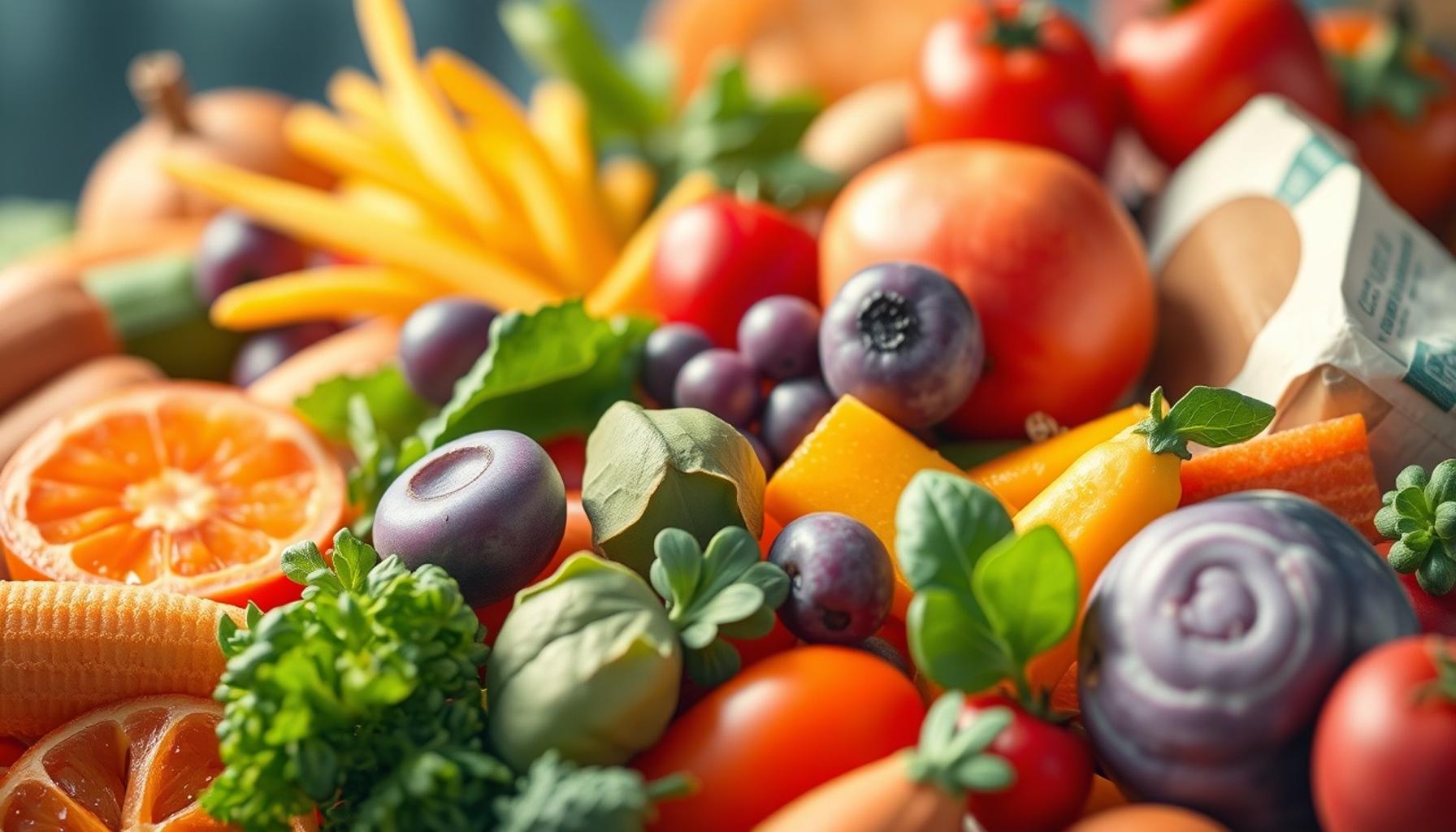
As a pet owner in the Philippines, you may find an abundance of options when it comes to puppy food. However, understanding what constitutes a natural diet is essential. Ingredients play a key role in puppy nutrition. Look for food options that focus on whole, unprocessed ingredients. For instance, consider incorporating fresh fruits and vegetables like sweet potatoes, carrots, and bananas. These are not only locally available but also packed with vitamins and fiber.
What to Consider
When devising a feeding plan, consider various factors to ensure that your puppy’s nutritional needs are met:
- Age and Breed: Different breeds and ages have specific dietary needs. For example, larger breeds generally require a diet lower in calories but formulated for optimal joint health, while small breeds might benefit from energy-dense foods.
- Local Ingredients: Utilize fresh, locally sourced produce available in markets. In the Philippines, many farmers markets offer an array of meats and vegetables that can be safely included in your puppy’s diet, promoting both nutrition and local agriculture.
- Allergies: Keep an eye out for any food sensitivities. Some puppies may have allergies to common ingredients like wheat or certain proteins. Observing your puppy’s response to various foods will allow you to create a customized diet plan tailored to their needs.
By establishing a healthy diet early on, you are setting up your puppy for future success. This early nutritional foundation can influence their behavior, energy levels, and susceptibility to diseases. Dive into this guide to discover how to make informed decisions and promote a lifetime of good health. The joy of having a healthy puppy is immeasurable, and it all begins with the food you provide. Understanding puppy nutrition will not only enrich their lives but also enhance your bond with your beloved pet.
Building Blocks of a Balanced Diet
Establishing a healthy diet for your puppy is not just about satisfying their hunger; it’s about creating a balanced and nutrient-rich foundation for their growth and well-being. Puppies, like human infants, require specific nutrients that promote proper development during their critical growth phases. It’s essential to understand the various components of a natural diet that can contribute to your puppy’s optimal health.
Key Nutritional Components
As you explore the world of natural feeding, it’s important to familiarize yourself with key nutritional components that should be included in your puppy’s diet:
- Proteins: These are the primary building blocks of a puppy’s growing body. Look for high-quality protein sources, such as meat (chicken, beef, or fish) and eggs. Ideally, aim for at least 20-30% protein content in their diet, as recommended by veterinarians.
- Fats: Healthy fats are crucial for energy production and support brain development. Omega-3 and Omega-6 fatty acids, found in fish oil and flaxseed, promote a healthy coat and skin. A fat content between 10-20% is generally advisable for puppies.
- Carbohydrates: Whole grains and vegetables are essential sources of energy and fiber. Ingredients like brown rice, oats, sweet potatoes, and peas can aid in digestion and provide sustained energy levels.
- Vitamins and Minerals: Micronutrients play a pivotal role in a puppy’s overall health. Essential vitamins (A, D, E, and B-complex) and minerals (calcium, phosphorus, and iron) can help strengthen bones, promote cell function, and enhance immunity. A balanced natural diet should ideally include these nutrients in proper proportions.
It can be overwhelming to choose from the myriad of options available, but focusing on whole, unprocessed ingredients is key. In the Philippines, many local food markets offer a treasure trove of nutritious provisions like fresh fish, lean meats, and vibrant vegetables, all perfect for your pup’s diet.
The Role of Variety
Much like humans, dogs thrive on variety. Offering a wide range of foods not only prevents boredom but also ensures a broad spectrum of nutrients. Swapping proteins every few weeks or introducing seasonal vegetables can keep mealtimes exciting and nutritionally rich. This variety can also help reduce the risk of food sensitivities. Additionally, mixing in homemade meals or snacks made from pure, natural ingredients can enhance the overall diet. Simple recipes can include boiled chicken, chopped carrots, or mashed pumpkin, all of which can be incorporated seamlessly into your pup’s regular meals.
As you embark on this culinary journey with your puppy, remember that patience is vital. Transitioning to a natural diet from commercial food should be gradual to avoid digestive upset. Always consult with your veterinarian to ensure your feeding plan aligns with your puppy’s individual health needs, especially during their growing years.
| Aspect | Importance |
|---|---|
| Natural Ingredients | Promotes optimal health by providing essential nutrients crucial for growth. |
| Balanced Nutrition | Aids healthy development of muscles, bones, and organs during early stages. |
| Variety of Protein Sources | Supports immune function and provides energy through different protein profiles. |
| Avoiding Fillers | Ensures your puppy receives quality over quantity, preventing digestive issues. |
Establishing a strong nutritional foundation is essential for puppies as it influences their overall health and longevity. By focusing on natural feeding, pet owners can provide their puppies with an ideal balance of vitamins, minerals, and amino acids. This approach significantly enhances digestion and absorption of nutrients, allowing puppies to thrive and grow energetically.The benefits of choosing natural ingredients are substantial—these ingredients are typically more digestible, reducing the risk of gastrointestinal problems common in puppies. Furthermore, incorporating a variety of protein sources not only makes meals more appealing but also covers the diverse amino acid needs of developing puppies.Additionally, avoiding fillers is paramount as they do not contribute any nutritional value and may lead to overeating and obesity. Transitioning your puppy gradually to a natural diet will also help prevent stress on their digestive systems, making for a smoother dietary shift. This natural feeding guide for puppies aims to pave the path toward longer, healthier lives and joyful canine companions, encouraging pet owners to explore this essential aspect of pet care further.
Understanding Feeding Schedules and Portions
Establishing a proper feeding schedule is just as crucial as selecting the right food for your puppy. Young pups thrive on routine, which helps regulate their energy levels and digestion. The ideal feeding schedule for puppies typically involves three to four meals per day during their first six months. This frequent feeding pattern aligns with their rapid growth and high energy requirements.
Portion Control
When determining the right portion sizes for your puppy, individual factors such as age, breed, weight, and activity level must be taken into account. A general guideline is to feed puppies between ¼ to ½ cup of food per meal, but this can vary significantly based on their specific needs. Always refer to the food packaging for portion recommendations or seek advice from your veterinarian.
As your puppy grows, you can gradually transition them to fewer meals per day, moving to two meals daily by around six months. This change can aid in developing a healthy digestive system. A common pitfall for new pet owners is overfeeding, which can lead to obesity and associated health issues. Monitoring your puppy’s body condition and adjusting portions accordingly is vital.
Hydration Matters
In addition to a balanced diet, hydration is an essential aspect of your puppy’s health. Fresh, clean water should always be accessible, as puppies are particularly prone to dehydration. Regularly checking and refilling their water bowl is a small yet impactful part of maintaining their well-being. You might also consider integrating some moisture-rich ingredients into their meals, such as wet food or broth, especially in the warm Philippine climate where dehydration can happen rapidly.
Introducing Supplements Wisely
In your quest for a natural feeding regimen, you may encounter the idea of adding supplements to your puppy’s diet. While a well-rounded natural diet should provide most of the necessary nutrients, certain supplements can enhance your puppy’s health—particularly during crucial growth phases. Common options include fish oil for omega-3 fatty acids, probiotics for gut health, and joint supplements like glucosamine.
However, it is critical to consult your veterinarian before introducing any supplements, as not all puppies will need them, and the right dosage is paramount. Some brands available in the Philippines, such as those found at local pet shops or veterinary clinics, can provide quality assurance for supplementary products. Avoid the temptation to self-diagnose and seek professional guidance to align with your pup’s specific health profile.
Monitoring Health and Progress
Observing your puppy’s health and developmental progress can also be an excellent way to assess the effectiveness of your natural feeding routine. Look for signs of healthy growth, such as shiny fur, a healthy weight, and consistent energy levels. Regular check-ups with the veterinarian can help identify any potential nutritional deficiencies early on, allowing for timely intervention.
In addition to health monitoring, consider keeping a feeding diary to track what you feed your puppy as well as any reactions they may have. This can be particularly helpful in identifying any foods that may cause sensitivities or adverse reactions.
Establishing a natural feeding plan for your puppy is undoubtedly a journey filled with joy and discovery. Emphasizing a balanced diet with proper feeding schedules, portion control, hydration, and mindful monitoring will set the stage for a thriving, happy puppy. The effort you invest now will pay off as you nurture a lifelong companionship rooted in health and vitality.
Conclusion: Nurturing Healthy Beginnings
As we traverse the exciting realm of puppy nutrition, it becomes evident that laying the foundation for a healthy diet is a pivotal investment in your furry companion’s future. By fostering a natural feeding regimen that prioritizes balanced meals, appropriate portion sizes, and consistent hydration, you’re setting the stage for a lifetime of vitality and joy. It’s crucial to recognize that each puppy is unique, and catering to their individual needs—be it through specific diets or thoughtful supplementation—can make all the difference.
The journey begins with a keen understanding of their growth phases and an informed approach to feeding schedules, evolving from multiple meals each day to a manageable routine that suits their development. Regular vet check-ups serve as a safeguard for monitoring health and adjusting dietary needs, providing peace of mind that your pup is thriving. Observing your puppy’s energy levels, coat condition, and overall enthusiasm for life will further guide you in ensuring your chosen diet is effective.
Moreover, immersing yourself in the vast array of natural ingredients can be a delightful exploration that not only benefits your puppy but also enriches your bond. Emphasizing quality over convenience, coupled with informed choices about food, hydration, and potential supplements, will deepen your connection and empower your puppy to flourish.
Ultimately, the journey of establishing a healthy diet from the start is more than just feeding; it’s about nurturing a lifelong partnership filled with love, health, and happiness. Venture forward with confidence and curiosity, as you embark on this rewarding experience of puppy parenthood. Remember, the better you understand their nutritional needs now, the brighter their future will be.