Special Care for Adopted Senior Animals: Health and Well-Being in Maturity

Navigating the Challenges of Caring for Senior Pets
Adopting a senior pet can be one of the most fulfilling choices a person can make, yet it comes with its own set of challenges that require dedicated attention and understanding. As these four-legged companions grow older, their physical health and emotional needs take center stage, demanding a level of care that emphasizes compassion and commitment. This responsibility becomes even more pertinent in the Philippines, where countless senior animals languish in shelters, patiently waiting for a loving home.
When considering the adoption of a senior animal, several critical aspects ought to be prioritized to truly enhance their quality of life. These furry friends not only have a rich history but also have an immense capacity for love and companionship that enriches our lives. However, their care needs often differ significantly from those of younger animals.
1. Health Assessments
Regular veterinary check-ups are vital for senior pets. Conditions such as arthritis, dental diseases, and kidney issues are common in older animals. In the Philippines, access to veterinary care can vary widely, yet it remains essential for responsible pet ownership. Owners are encouraged to maintain a routine with veterinarians who understand the specific health risks faced by older pets. Early detection can lead to better management of chronic conditions, allowing senior pets to enjoy their golden years in comfort.
2. Nutritional Needs
What we feed our senior pets plays a crucial role in their well-being. A diet tailored to their unique needs can significantly improve their health. Senior animals should ideally be provided with food that is easily digestible and rich in nutrients. In the Philippines, there are numerous brands catering specifically to senior pets that offer balanced formulations. Owners should consult with a veterinarian to select the best diet that addresses their pet’s individual health concerns, such as obesity or sensitivities.
3. Exercise and Mental Stimulation
While senior animals may not require vigorous exercise, regular gentle activities are essential to their health. Short walks around the neighborhood or engaging in moderate play can help maintain their physical condition. Additionally, mental stimulation is crucial; utilizing interactive toys or teaching new, simple tricks can keep their minds sharp. In many Filipino households, incorporating social interaction and pet-friendly community events can also foster a sense of belonging for senior pets.
Caring for a senior pet requires both time and effort, but the emotional rewards are immense. By meeting their specialized needs, we not only contribute to their happiness but also enrich our own lives. These animals have so much love to give and foster deep connections that can be profoundly fulfilling. Taking the steps to understand and cater to their needs can create an unbreakable bond, leading to a mutually rewarding relationship that defines companionship.
Ultimately, the journey of adopting and caring for a senior pet reflects an opportunity to give back to an animal that has given years of love and loyalty. So, consider becoming a hero to a senior pet in a shelter, as the joy and lessons they offer can be life-changing for both parties.
4. Environmental Adjustments
Creating a comfortable living environment for senior pets can significantly enhance their quality of life. As animals age, they may struggle with mobility and may require adaptations in their surroundings. Simple adjustments can make a world of difference. Pet owners should consider the following:
- Non-slip flooring: Slippery surfaces can lead to falls and injuries. Using carpets or mats can provide better grip for senior animals.
- Accessible resting areas: Elevated or hard-to-access sleeping spots can be daunting for older pets. Providing them with a cozy bed at ground level can encourage restful sleep.
- Climate control: Older animals can be more sensitive to extreme temperatures. Ensuring a cool area during hot days and a warm space during colder nights can help maintain their comfort.
5. Grooming Considerations
Maintaining a senior pet’s grooming routine is essential for both their physical comfort and emotional well-being. As pets age, they may become less capable of handling their grooming needs on their own. Regular grooming sessions can help with a number of issues:
- Skin health: Seniors often develop dry or sensitive skin, which requires gentle brushing and suitable shampoos to avoid irritation.
- Dental hygiene: Dental problems can become increasingly common with age, making it vital for owners to establish a dental care plan that may include professional cleaning and regular home care.
- Eye and ear care: Regular inspection and cleaning of ears and eyes help prevent infections, ensuring that pets maintain their sensory health.
6. Emotional Support and Social Interaction
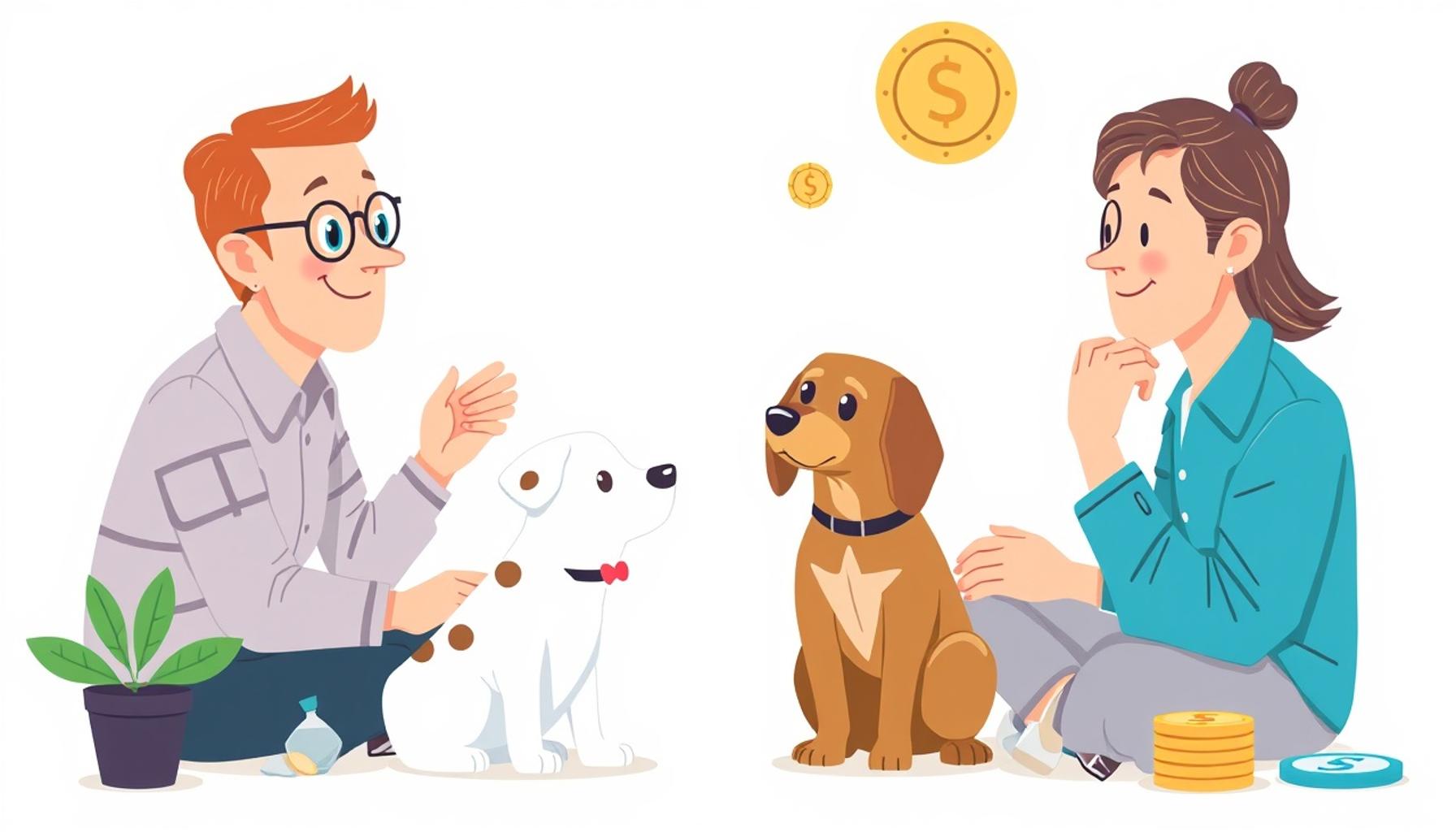
Senior animals may face emotional challenges as they transition from their previous homes to a new environment. Providing emotional support is just as important as addressing their physical needs. Maintaining a stable routine can reassure them and build trust in their new family. Social interaction is crucial; spending quality time with your senior pet can prevent feelings of loneliness and depression. Consider:
- Interactive play: Gentle games and new experiences can enhance their mood.
- Regular companionship: Simple presence can significantly soothe anxious animals.
- Understanding behavior changes: Being attuned to changes in behavior is paramount, as they can signal discomfort or distress.
In the Philippines, the growing awareness around the importance of adopting senior pets is slowly changing the dynamic of animal adoption. Organizations are coming together to educate pet owners, emphasizing the rewarding journey that comes with caring for an older animal. The well-being of these pets relies on dedicated and compassionate owners who are willing to address the multidimensional needs of senior animals.
Overall, adopting and caring for a senior pet requires patience, understanding, and a lot of love. By addressing both health requirements and emotional needs, we can ensure that our adopted senior animals experience the joy of their twilight years in peace and comfort.
| Category | Details |
|---|---|
| Nutrition | Senior animals require specialized diets to support their changing health needs. |
| Physical Activity | Regular gentle exercise is crucial for maintaining mobility and mental stimulation. |
| Veterinary Care | Routine check-ups can identify health issues early, ensuring prolonged well-being. |
| Mental Health | Activities like puzzle toys and bonding time can enhance emotional stability in adopted seniors. |
When caretakers pay attention to these various aspects of senior animals’ lives, they help to foster a deeper connection and a more fulfilling life experience. It is vital to explore these themes, so readers can discover the best ways to support their beloved companions as they age. Engaging in discussions about senior pet care is not only interesting but also essential, as it encourages responsible adoption and smart choices for nurturing these animals in their golden years.
7. Nutritional Needs
Proper nutrition is crucial for maintaining the health and vitality of senior pets. As animals age, their metabolism changes, and their dietary requirements evolve. Providing a diet tailored to senior animals ensures they receive the essential nutrients they need for optimal health. Consider the following:
- Specialized diets: Many pet food brands offer senior-specific formulations that include lower calories, higher fiber, and enhanced joint-supporting ingredients like glucosamine.
- Hydration: Older pets may be less inclined to drink water, leading to dehydration. Offering wet food or ensuring fresh water is always available can promote better hydration.
- Weight management: Obesity can exacerbate health issues in senior pets. Regular weigh-ins and adjusting portions can help maintain a healthy weight.
8. Regular Veterinary Check-ups
Routine veterinary visits are vital for managing the health of adopted senior pets. Senior animals may be more susceptible to various health issues, making preventative care essential. Here’s why regular check-ups should be a priority:
- Early detection: Regular examinations can help identify potential health problems before they become serious, such as dental disease, heart conditions, or arthritis.
- Vaccination updates: Senior pets may require different vaccination schedules than younger animals. Staying updated can protect them from preventable diseases.
- Tailored health plans: A veterinarian can tailor health and treatment plans based on the pet’s specific needs, helping to monitor chronic conditions and adjust as necessary.
9. Mental Stimulation and Enrichment
Mental health is just as important as physical well-being, especially for senior pets who may experience cognitive decline. Providing opportunities for mental stimulation can keep their brains active and engaged:
- Puzzle toys: Interactive toys that dispense treats can encourage problem-solving and keep your senior animal entertained.
- Training sessions: Simple commands or tricks can enhance their focus and reinforce the bond between pet and owner.
- Exploration: Short, leisurely walks or trips to new environments can ignite their curiosity and make daily routines more enriching.
In the Philippines, initiatives aimed at promoting responsible adoption practices have raised awareness of the unique needs of senior pets. Animal welfare organizations and shelters that focus on older animals are becoming more prevalent, providing resources and support for potential adopters.
As pet owners, embracing the responsibility of caring for adopted senior animals means recognizing their needs and making adjustments that cater to their physical and emotional health. Investing in their care not only enriches their lives but allows families to build profound connections with these beloved companions during their golden years. With a dedicated approach, we can ensure that our senior pets thrive and find joy in their aging process.
Conclusion
In conclusion, providing special care for adopted senior animals is essential to ensure their health and well-being as they navigate their golden years. From understanding changing nutritional needs to embracing the importance of regular veterinary check-ups, every aspect of senior pet care requires thoughtful attention. The unique challenges faced by these older companions, such as cognitive decline or increased susceptibility to health issues, highlight the necessity for tailored care strategies that cater to their evolving needs.
The role of mental stimulation and enrichment cannot be overstated, as engaging activities not only keep their minds active but also deepen the bond between pets and their owners. Simple changes, such as introducing interactive toys and leisurely walks, can create a positive impact on their overall quality of life. Moreover, initiatives in the Philippines that prioritize responsible adoption and support for senior animals are paving the way for a brighter future for these companions.
For potential adopters and current owners, embracing the responsibility of caring for an older pet is a rewarding experience that fosters connection and compassion. It is vital to realize that the love and comfort we provide can significantly enhance the lives of these deserving animals. By standing together in our commitment to their care, we can ensure that adopted senior animals not only live fulfilling lives but also leave a lasting legacy of love in our homes. Let us continue to advocate for their health, happiness, and well-being, ensuring they receive the joyful and enriched life they so richly deserve.