Dismissing Myths about Hydration: What Really Works?

Understanding Your Hydration Needs
Hydration is a fundamental aspect of maintaining good health, yet it is often clouded by myths and misconceptions. The prevalence of incorrect ideas can lead to confusion and hinder our efforts toward effective hydration. With fads and outdated information circulating widely, it’s imperative to sift through the noise and uncover the truths about proper fluid intake.
Debunking Common Myths
Let’s take a closer look at some of the most common hydration myths that can mislead individuals:
- Eight glasses a day is mandatory. While the widely accepted guideline suggests drinking eight 8-ounce glasses of water daily, this one-size-fits-all approach fails to consider the diversity in individuals’ hydration needs. Factors such as age, gender, weight, climate, and physical activity levels can significantly influence how much water one should consume. For example, a marathon runner will require far more fluids than someone who leads a sedentary lifestyle.
- Caffeinated beverages are dehydrating. It’s a common belief that coffee and tea contribute to dehydration due to their caffeine content. However, recent studies show that moderate consumption of these beverages does not adversely affect hydration levels. For many people, the diuretic effect of caffeine is outweighed by the hydration from the liquid itself, making these drinks viable options for fluid intake.
- Thirst is a sign of dehydration. While thirst is indeed a natural alert system, it’s not always an accurate reflection of your body’s hydration status. Some individuals may not feel thirsty despite being dehydrated, particularly during intense physical activity. Therefore, relying solely on thirst can lead to insufficient fluid consumption.
Personalized Hydration Strategies
Understanding the individual needs for hydration is essential. For example, climate plays a significant role; individuals in hotter climates, such as Arizona, may need to increase their water intake to compensate for fluid loss through sweat. During hotter months, especially, it’s important to feel and account for that loss. On the other hand, someone living in a cooler climate may find that they need less water.
Similarly, athletes involved in rigorous workouts may require considerably more water than an average office worker. In the heat of a summer marathon, runners often consume electrolytes to replenish lost minerals, which further highlights the need for a tailored hydration approach. Understanding your body and its signals is crucial for maintaining optimal hydration.
By dissecting these myths and understanding the factors influencing hydration, individuals can discover practical, evidence-based strategies for optimizing their water intake. With informed choices, anyone can improve their hydration and overall health. Are you ready to explore the deeper insights of hydration science? Discovering the intricacies behind what your body needs is just the beginning of a more mindful approach to your fluid intake.
DISCOVER MORE: Click here for insights
Personalized Hydration Strategies
To move beyond the common myths surrounding hydration, it’s essential to embrace a personalized approach to fluid intake that caters to an individual’s unique health needs. The truth is, hydration should not be treated as a one-size-fits-all formula. With numerous factors at play, understanding how to effectively hydrate can be pivotal in promoting overall health and well-being.
Factors Influencing Hydration
When it comes to determining hydration needs, several factors should be considered:
- Physical Activity: The level of physical activity significantly impacts fluid requirements. During exercise, particularly in hot and humid conditions, the body loses substantial amounts of water through sweat. For example, an athlete engaged in high-intensity training may need to consume more than a gallon of fluids a day, including water and electrolyte-rich drinks, to avoid dehydration and support performance.
- Age: As we age, our body’s thirst mechanism may become less effective. Older adults often don’t feel thirsty until they are already dehydrated. This emphasizes the need for a conscious effort to drink fluids throughout the day, rather than waiting for thirst to strike.
- Climate: Living in a hotter and more humid climate increases perspiration levels, which in turn raises hydration needs. For instance, residents in states like Florida or Texas might find that their water consumption needs differ significantly from those in cooler regions such as the Northeast.
- Diet: Foods we consume also play a role in hydration. High-water-content foods, such as cucumbers, watermelon, and oranges, can contribute to overall fluid intake. Conversely, a diet high in salt or caffeine may require additional water to counteract a dehydrating effect.
Understanding these factors is crucial for developing a hydration strategy that works for you. It’s not merely about counting liters or glasses; it’s about recognizing your body’s cues and adapting accordingly. For example, monitoring your urine color can be a simple yet effective method to gauge hydration status. Pale yellow urine typically indicates adequate hydration, while darker urine often signals a need for more fluid intake.
The conversation about hydration is also evolving, especially with the rise of wearable technology. Many fitness trackers now offer hydration reminders based on activity levels, making it easier to stay on top of fluid requirements throughout the day. Integrating such technology into daily routines can help individuals make informed decisions about their intake.
By focusing on personalized hydration strategies and acknowledging the various factors impacting fluid needs, individuals can significantly improve their hydration habits and enhance their overall health. It’s crucial to move beyond the universal guidelines and refine our approach to hydration, ensuring that each person’s unique needs are met effectively.
Dismissing Myths about Hydration: What Really Works?
When it comes to hydration, misconceptions abound that can cloud our understanding of what truly keeps us hydrated. Traditionally, the recommendation has been to drink eight 8-ounce glasses of water each day, a guideline often cited but not universally endorsed by science. Interestingly, research indicates that individual hydration needs vary widely based on factors such as age, activity level, and climate conditions. This variance showcases that one size does not fit all in the realm of hydration.
Moreover, another pervasive myth is that thirst is the only cue we need to drink water. In reality, by the time we feel thirsty, our bodies may already be entering a mild state of dehydration. Educating ourselves on other signs, like dry skin or fatigue, can provide an even clearer picture of our hydration status.
| Hydration Factors | Effective Strategies |
|---|---|
| Individual Needs | Consider activity level, age, and environment |
| Beyond Water | Include fruits, vegetables, and electrolyte-rich drinks |
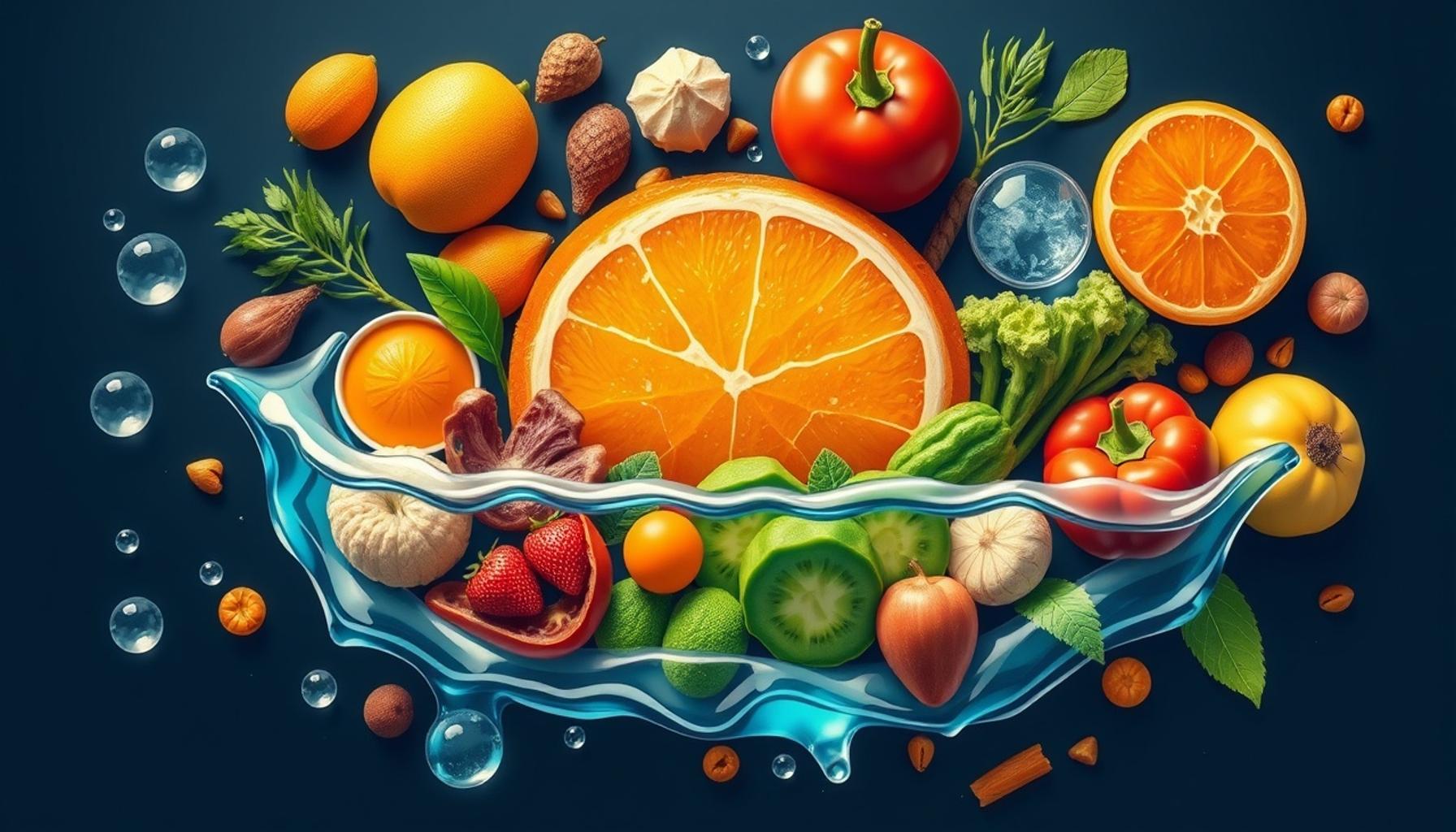
Furthermore, it’s essential to recognize that hydration isn’t solely about drinking water. Foods like cucumbers, watermelon, and oranges contain significant amounts of water and can contribute to overall hydration. Pairing water intake with hydrating foods can be a seamless way to meet one’s hydration goals without the monotony of drinking just water.
Understanding hydration’s multiple dimensions opens the door to maintaining optimal health. Instead of adhering rigidly to myths, embracing a holistic view of hydration can lead to a better quality of life. Whether you’re an athlete or someone lounging at home, knowing your body’s unique hydration signals is the key to achieving hydration success.
DISCOVER MORE: Click here to uncover nighttime beauty secrets
Debunking Common Hydration Myths
While understanding personalized hydration strategies is crucial, it’s equally important to confront and debunk pervasive myths surrounding hydration. Many people hold beliefs about fluids that can lead to misinformation and potentially misguided practices. Let’s explore some of these myths and uncover what truly works when it comes to staying hydrated.
Myth #1: “You Must Drink Eight Glasses of Water a Day”
The idea that everyone needs to consume eight 8-ounce glasses of water daily is a guideline that has been repeated ad nauseam. However, hydration needs vary by individual and can depend on numerous factors including activity level, climate, and age. Research from the National Academies of Sciences, Engineering, and Medicine suggests that men need around 3.7 liters (or about 15.5 cups) of total water daily, while women should aim for roughly 2.7 liters (or around 11.5 cups). This total includes all beverages and moisture-rich foods. Thus, aiming for a specific number of glasses may not take into account the variety of sources from which hydration can be derived.
Myth #2: “Thirst is a Sign of Dehydration”
Many believe that waiting until they feel thirsty means they are already dehydrated. In fact, the body’s thirst mechanism is a delicate balance that can be influenced by various factors. For instance, in older adults, the thirst response might not function as effectively, which could lead to a greater likelihood of dehydration. Understanding thirst cues is integral, and ideally, individuals should proactively drink water throughout the day to meet their hydration needs, rather than relying solely on thirst as an indicator.
Myth #3: “All Beverages Hydrate Equally”
It’s a common misconception that all types of beverages contribute equally to hydration. While water is the gold standard, drinks high in sugar or caffeine can have a diuretic effect—especially when consumed in excess. For instance, caffeinated beverages like coffee or energy drinks can increase urine production. Research indicates that moderate consumption may not significantly impact overall hydration, but relying solely on such drinks can make it challenging to achieve optimal fluid balance. Balancing your intake with water and hydrating foods is essential for effective hydration.
Myth #4: “Sports Drinks are Necessary for Everyone”
Sports drinks are often marketed as essential for hydration during exercise. However, they are primarily formulated for athletes engaging in prolonged, intense physical activity (lasting more than an hour) that results in significant electrolyte loss. For most casual exercisers, plain water is typically sufficient for hydration. In fact, consuming sports drinks unnecessarily can introduce excess sugar and calories into the diet. Individuals need to assess their activity levels and hydration needs to determine whether such drinks are a requirement.
Hydration Beyond Water
Beyond debunking myths, it’s essential to highlight that hydration is a holistic concept. A diet rich in fruits and vegetables, such as cucumbers, strawberries, and spinach, can significantly enhance fluid intake. Furthermore, incorporating electrolyte-rich foods—like bananas and avocados—can support a balanced hydration strategy. Discovering your unique hydration needs entails understanding the multifaceted nature of fluid intake, encompassing not just water but a range of nutritious foods and beverages.
With each myth we dismantle, it becomes increasingly clear that hydration is a nuanced topic. Moving toward a more informed understanding enables individuals to make better choices suited to their lifestyles, leading to healthier, more hydrated lives.
DISCOVER MORE: Click here to learn about the benefits of facial massage
Conclusion: Embracing Informed Hydration Practices
In the quest for optimal health, understanding hydration is paramount. The myths surrounding fluid intake often lead to confusion and mismanagement of our hydration practices. By refuting common misconceptions—such as the rigid ‘eight glasses a day’ rule or the notion that all beverages hydrate equally—we empower ourselves to make more informed choices tailored to our unique needs.
The evidence presented illustrates that individual hydration requirements can vary widely based on factors like age, activity level, and climate. Instead of succumbing to generalized guidelines, it is vital to listen to our bodies and consider a holistic approach to hydration that includes moisture-rich foods and balanced drinks. Incorporating vibrant fruits and vegetables not only enhances hydration but also provides essential nutrients that contribute to well-being.
Moreover, approaching hydration with a critical mindset helps distinguish between what is necessary and what’s merely a marketing strategy. For most casual exercisers, opting for water over sports drinks can prevent unnecessary calorie intake while ensuring sufficient hydration. By assessing our unique lifestyle demands and health conditions, we can forge our paths toward effective hydration.
In conclusion, dismissing myths about hydration presents an opportunity for everyone to engage more thoughtfully with their health. As we continue to uncover the complexities of hydration, we pave the way for a healthier tomorrow—one sip at a time.