
Herbs and Plants that Help Fight Acne and Skin Imperfections
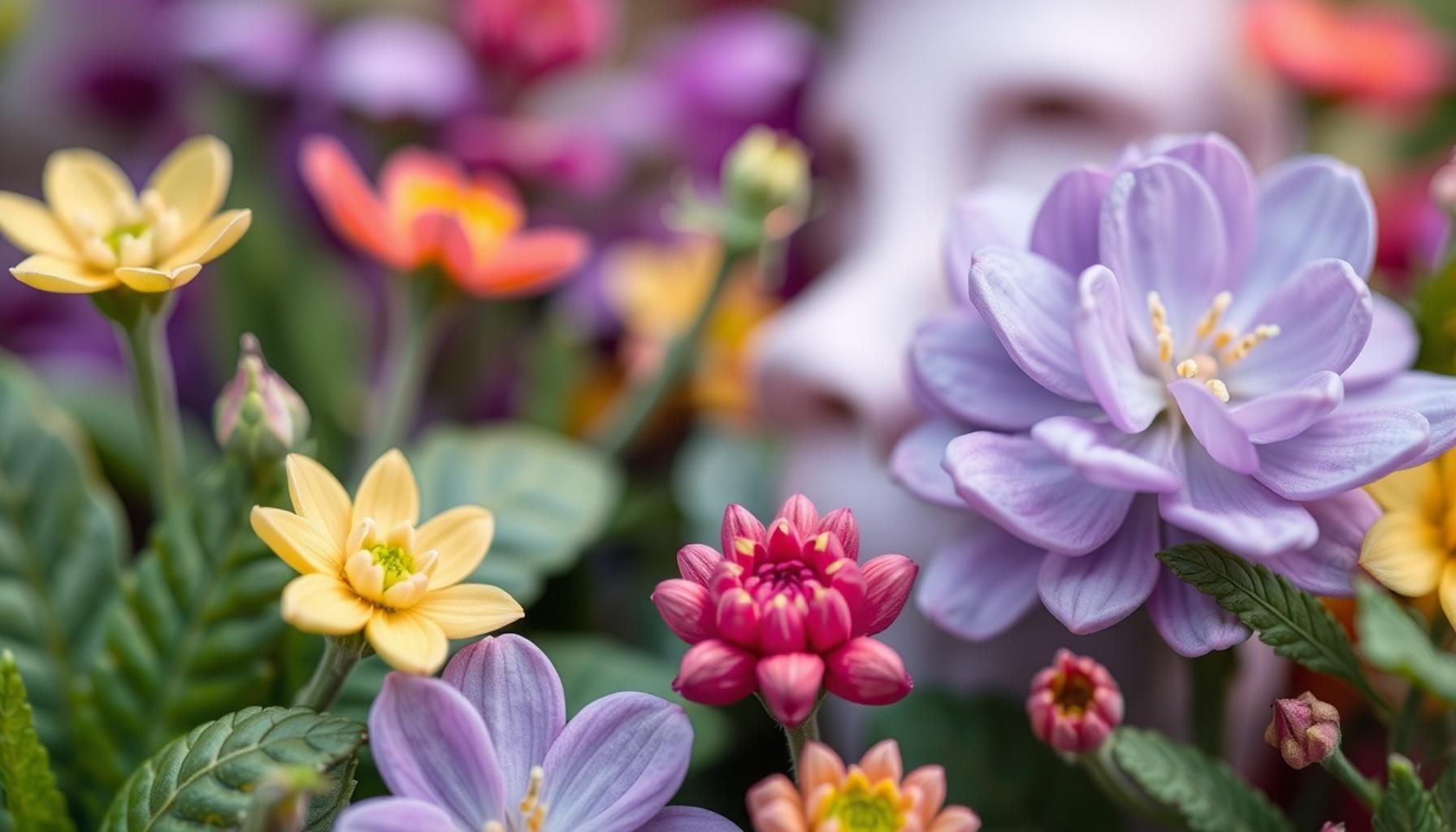
Unveiling the Power of Herbal Solutions in Skincare
In recent years, the natural skincare movement has gained momentum, with a growing number of individuals turning to herbal remedies for various skin concerns, including acne. This trend not only reflects a desire for cleaner, healthier products but also showcases the wisdom that different cultures have accumulated over centuries regarding the healing properties of plants.
Herbal remedies have been a part of skincare regimens across the globe, utilized for their multifaceted benefits. Among these, several herbs have emerged as particularly effective in treating acne and other skin imperfections.
- Tea Tree Oil: This essential oil, derived from the leaves of the Melaleuca alternifolia tree, has long been venerated for its antibacterial qualities. Research highlights its efficacy in reducing the bacteria that contribute to acne, making it a staple in many natural skincare products. When diluted with a carrier oil or included in a formulation, tea tree oil can provide a powerful yet gentle option for combating breakouts without the harshness of some conventional ingredients.
- Aloe Vera: Often referred to as the “skin miracle,” aloe vera gel is renowned for its soothing and hydrating properties. The gel contains polysaccharides that promote skin healing and help maintain moisture. Many individuals find relief from the inflammation and redness associated with acne by applying fresh aloe vera directly to the skin, allowing the plant’s healing properties to unfold over time.
- Witch Hazel: This herb, derived from the leaves and bark of the witch hazel shrub, serves as a natural astringent. Its ability to tighten pores and remove excess oil can significantly aid those looking to minimize breakouts. Many over-the-counter toners include witch hazel as a key ingredient, but for a more organic approach, using witch hazel extract directly on the skin can provide an effective remedy.
- Neem: A cornerstone of Ayurvedic medicine, neem possesses powerful anti-inflammatory and antiseptic properties. Neem oil can be applied topically to help reduce the redness and swelling associated with acne. Additionally, the leaves can be brewed into a tea or used in masks, offering a multitude of ways to incorporate this beneficial plant into skincare routines.
These potent plants not only address acne but can also combat skin imperfections effectively. By harnessing their power, individuals may find a holistic approach to achieving clear skin, steering away from pharmaceuticals that often come with unwanted side effects. It’s inspiring to see how natural solutions can align with growing consumer preferences for sustainability and organic ingredients, echoing a broader shift toward more environmentally conscious choices.
With increasing interest in organic products, it’s imperative to delve deeper into how these natural ingredients can seamlessly replace or complement more traditional methods. Exploring the world of herbal skincare reveals an enticing path worth pursuing as individuals seek gentle yet potent remedies for their skin issues. The potential benefits and the rich wisdom of nature await all those willing to discover the treasures hidden in herbs and plants.
DISCOVER MORE: Click here to learn how green tea can enhance your beauty routine
Exploring Herbal Allies for Acne and Skin Clarity
As the quest for clear, healthy skin becomes ever more prominent, understanding the beneficial properties of various herbs and plants can truly pave the way to effective skincare solutions. These natural allies provide not only relief from acne but also work to improve overall skin texture, promoting a radiant complexion. Knowledge of these potent botanicals is essential for anyone looking to explore alternatives to conventional treatments that may come with unwanted side effects.
Among the most celebrated herbs for acne treatment and skin imperfections are:
- Chamomile: This cherished herb, known for its calming effect, contains anti-inflammatory properties that can help soothe irritated skin. Chamomile is rich in antioxidants, which can reduce redness and help to promote healing. A chamomile tea compress, applied directly to the skin, can alleviate inflammation and is particularly beneficial for sensitive skin types.
- Lavender: Renowned for its fragrant aroma, lavender not only offers aromatherapy benefits but also boasts antimicrobial and anti-inflammatory qualities. Adding lavender essential oil to skincare regimes can cleanse the skin and reduce the occurrence of breakouts. Its soothing properties make it an excellent choice for those prone to stress-related acne.
- Burdock Root: Often overlooked, burdock root is a powerhouse in herbal medicine. It contains antioxidant compounds that help rid the body of toxins, which can be a contributing factor to acne. Purifying teas made from burdock root can also contribute to better skin health over time, as they work internally to clear impurities.
- Calendula: Known for its vibrant yellow flowers, calendula is an excellent herb for promoting skin healing. It possesses antiseptic and anti-inflammatory properties that can reduce the severity of acne and support the healing of scars. Calendula ointments and oils are easy to integrate into daily skincare routines for optimal results.
These herbs provide a foundation for a holistic approach to skincare, emphasizing how nature’s bounty can be harnessed to improve skin health effectively. Each herb mentioned has unique properties that not only target acne but can also address other skin imperfections such as texture irregularities and post-inflammatory hyperpigmentation. This multifaceted benefit system is what makes herbal remedies so appealing in the quest for flawless skin.
As we navigate through an array of options, it is worth recognizing that integrating these herbs can be both an art and a science. Experimenters and skincare enthusiasts alike are encouraged to consider various methods of application, from teas and tinctures to topical oils and extracts. By embracing the natural remedies offered by herbs, individuals will not only seek relief from acne but also foster a greater connection to the environment and a mindful approach to beauty routines.
Discovering the Power of Nature: Herbs and Plants for Clearer Skin
In the quest for clear and healthy skin, many people are turning to nature, exploring the benefits of herbs and plants that have been used for centuries to combat acne and skin imperfections. With their holistic properties and natural healing capabilities, these botanical wonders are not only effective but also gentle on the skin.
| Category | Key Features |
|---|---|
| Tea Tree Oil | Natural antiseptic; reduces inflammation and bacteria. |
| Aloe Vera | Soothes irritated skin; promotes healing and hydration. |
| Witch Hazel | Natural astringent; reduces excess oil and tightens pores. |
| Lavender | Anti-inflammatory; promotes relaxation and overall skin balance. |
Each of these natural remedies provides powerful antibacterial and anti-inflammatory properties, making them excellent choices to incorporate into a skincare regimen. Many enthusiasts recommend creating DIY masks or treatments combining these elements to maximize their effects. For example, a simple mixture of Aloe Vera and Tea Tree Oil could make a soothing treatment tailored to fight stubborn acne. Imagining the freshness of these herbs provides not only benefits but also an invigorating approach to personal care.
As awareness grows about the potential adverse side effects of chemical treatments, the shift towards plant-based solutions is more relevant than ever. Not only do these herbs offer clearer skin, but they also encourage a healthier lifestyle, aligning personal care with natural practices.
DIVE DEEPER: Click here to learn more about a morning skincare routine
Highlighting More Natural Remedies for Acne and Skin Health
Expanding our exploration of herbal allies, we can uncover even more plants that have long been lauded for their potential in improving skin health and combatting acne. Nature has gifted us with a plethora of options that not only address specific skin issues but also nurture the skin in a holistic manner, making them invaluable additions to any skincare arsenal.
Some noteworthy herbs and plants that have garnered attention for their ability to fight acne and enhance skin imperfections are:
- Tea Tree Oil: This potent essential oil, derived from the leaves of the Melaleuca alternifolia tree, is well-known for its antimicrobial properties. Studies suggest that tea tree oil can significantly reduce acne lesions when applied topically. Its ability to penetrate the skin and inhibit the growth of acne-causing bacteria makes it a staple in many skincare products. However, it is essential to dilute tea tree oil with a carrier oil like coconut or jojoba oil before applying it to avoid skin irritation.
- Aloe Vera: Known for its soothing qualities, aloe vera gel is rich in vitamins and minerals that can increase skin hydration while reducing inflammation. Its antibacterial properties help combat acne and minor skin irritations. In addition, aloe vera supports skin regeneration, making it an excellent remedy for reducing the appearance of scars left behind by breakouts. Applying fresh aloe vera gel directly from the plant can lead to optimal results.
- Neem: Often revered in Ayurvedic medicine, neem leaves and oil possess antifungal and anti-inflammatory characteristics that can be transformative for acne-prone skin. Neem oil can be used in various forms, whether in topical applications or infused in skincare products, to help clear up blemishes and prevent future breakouts. Moreover, neem’s detoxifying nature aids in purifying the bloodstream, indirectly supporting clearer skin.
- Rosemary: This fragrant herb is not only a culinary delight but also a powerful antioxidant. Rosemary oil contains rosmarinic acid, which has been shown to combat inflammation and inhibit bacterial growth. Regular use of rosemary oil in formulations can lead to improved skin texture, while its toning effect can help to tighten pores and keep skin firm, addressing concerns around oiliness and acne.
It’s fascinating to note that many of these plants have a rich historical context. For instance, tea tree oil has been used by Australian Aboriginals for centuries as a natural remedy for skin ailments. Aloe vera’s use dates back to ancient Egypt, where it was dubbed the “plant of immortality.” Such longstanding traditions underscore the efficacy and cultural significance of these plants as natural remedies for skin imperfections.
Moreover, the versatility of these herbs allows them to be incorporated into various skincare routines easily. Whether through direct application, essential oils, herbal face masks, or soothing balms, the adaptability of these botanicals means they can cater to diverse skin types and preferences.
As modern research increasingly validates the potential benefits of these herbs, individuals seeking a more natural, less irritating approach to skincare may find great solace in embracing these herbal remedies. Their multifaceted benefits extend beyond merely treating acne; they can enhance skin vitality overall, making them indispensable allies in achieving your skincare goals.
DISCOVER MORE: Click here to learn about the benefits of green tea for skin aging
Embracing Nature’s Bounty for Clearer Skin
As we conclude our exploration into the herbs and plants that help fight acne and skin imperfections, it becomes evident that nature offers a treasure trove of solutions for those seeking clearer, healthier skin. From the potent antimicrobial properties of tea tree oil to the soothing, regenerative effects of aloe vera, the efficacy of these botanical allies is backed not only by tradition but also by contemporary research. Each herb, such as neem and rosemary, presents an array of benefits that extend beyond mere blemish control, promoting overall skin vitality and wellness.
The historical significance of these plants underscores a collective understanding that healing often begins with nature. By integrating these natural remedies into your skincare routine, you can create a personalized approach that respects and nurtures your skin. It’s crucial, however, to cultivate awareness of your skin’s unique responses to these botanicals, as this will enable you to tailor your regimen for optimal results.
In an age where synthetic treatments are prevalent, the move towards natural skincare solutions is not just a trend but a return to the wisdom of our ancestors. Whether through selecting products that harness these plants or experimenting with DIY formulations, the journey to achieving skin perfection is replete with possibilities. Ultimately, by embracing the herbs and plants that help fight acne, you not only support your skin but also tap into the remarkable healing properties that have stood the test of time. For those looking to enhance their skincare routine, the answer may lie in this verdant, herbal treasure chest—encourage exploration, investigation, and a connection to the very essence of what nurtures our skin.